Starting
Every towering elaborateness pertaining to modern automobiles necessitates a complete careful understanding of diagnostic platforms, especially about On-Board Diagnostics II (OBD2) and Tire Pressure Monitoring Modules (TPMS). Within Europe, Asia, and the US, these capabilities carry out using distinct frequencies. OBD2 standards are largely consistent globally, chiefly utilizing ISO 9141-50, KWP2000, CAN, and others, but regional executions can cause minor divergences. TPMS, however, is where remarkable frequency inconsistencies manifest. The US predominantly employs 315MHz, while Europe frequently utilizes 433.92MHz, and Asia presents a more heterogeneous range including both frequencies and extra bands. Accordingly, exact diagnostic instruments must be furnished with the potential to decode these various frequencies to facilitate effective resolution and maintenance.
Revealing TPMS Sensor Frequencies: A Global Guide (Europe, North America, Asia)
Fathoming tire checking mechanism (TPMS) module bands within the realm remains complicated. Usually, North America largely utilize 315 MHz, nonetheless some fresh vehicles have 433 MHz. Conversely, Europe and most of Asia predominantly act on the 433 MHz channel, with some area variations existing markedly in distinct Asian regions. It's, paramount to authenticate the accurate transmission preliminary to acquiring TPMS sensors to secure match and avoid imminent concerns.
Battery-Powered Vehicle Readers: OBD2 Compatibility and TPMS Integration
Latest electric motor vehicle analyzers are increasingly absorbing crucial functionality, particularly with respect to both universal On-Board Diagnostics II (OBD2) functionality and Tire Pressure Monitoring System (TPMS) association. A lot of electric machines utilize OBD2 ports for retrieving primary system readings, granting technicians and users to diagnose possible errors. Furthermore, integrated TPMS inclusion provides precise tire stress readings, supporting to boosted defense and diesel conservation. This integration of OBD2 access and TPMS operability symbolizes a important breakthrough in electric automobile evaluation.
TPMS Frequency Contrasts: European Region vs. The US vs. Far East - A Exhaustive Comparison
Those networks responsible for controlling tire inflation—TPMS—operate on different radio waves, leading to significant regional distinctions. USA predominantly utilizes 315 MHz, though some advanced vehicles are adapting to 433 MHz. The Continent mandates 433.92 MHz, a distinct frequency to validate conformity across jurisdictions. Eastern Asia exhibits a diverse landscape, with selected states using 315 MHz, others 433 MHz, and still alternative countries employing a combination of both. This disparity presents challenges for maintenance hubs and vehicle owners when dealing with replacement TPMS units or diagnostic apparatus, obliging careful authentication of regional guidelines to elude discrepancies and assure proper serviceability of the TPMS.
Auto Scanners for EV Cars: Tire Pressure Monitoring System Assessment & Radio Wave Understanding
Cutting-edge motor vehicle analyzers are steadily developing to enable voltage-driven automobiles, chiefly involving tire surveillance assessment. Unlike petrol-driven motors, electrified autos present individual issues when it comes to tire monitoring system evaluation. Many electric autos use different TPMS channels requiring the instrument to faithfully translate the radio wave in use. This feature authorizes specialists to just view pressure metrics but also discover the definite radio signal being radiated by the tire sensor receivers, assisting in meticulous inspection of issues.
The US Tire Pressure Monitoring Systems Signals: Do You Should Recognize?
Understanding the world of machine TPMS can be a difficulty, primarily due to the varying wavelengths utilized across The EU, Asia, and the United States. Eurozone’s vehicles predominantly use 433.92 MHz, while various Asian countries employ 315 MHz and 433.92 MHz, creating a complex situation for mechanics. In the US, both 315 MHz and 433.92 MHz are frequently used, with 315 MHz being more frequent. Hence, understanding these regional differences is required for accurately troubleshooting TPMS deficiencies and selecting the suitable programming tools.
Developing those Primary Elements: Auto Scanning, EV Motors, & Tire Gauge System Device Transmission Identification
Concerning competent automobile experts, merely fathoming the essential principles involving on-board diagnostics, electronically driven vehicle networks, in addition to tire sensor systems apparatus channel recognition indicates specific crucial progressive point. This subjects dive about basic procedures, calling for tailored tools plus experience with the aim of unerringly diagnose even rectify tough barriers related wheel monitoring, energy network capability, in addition to engine diagnostic signals. Additionally, properly locating pressure gauges module bands – regularly range during separate labels including categories – generally important in optimal setting.
EV Auto Assessment: Using OBD2 Scanners to Troubleshoot TPMS
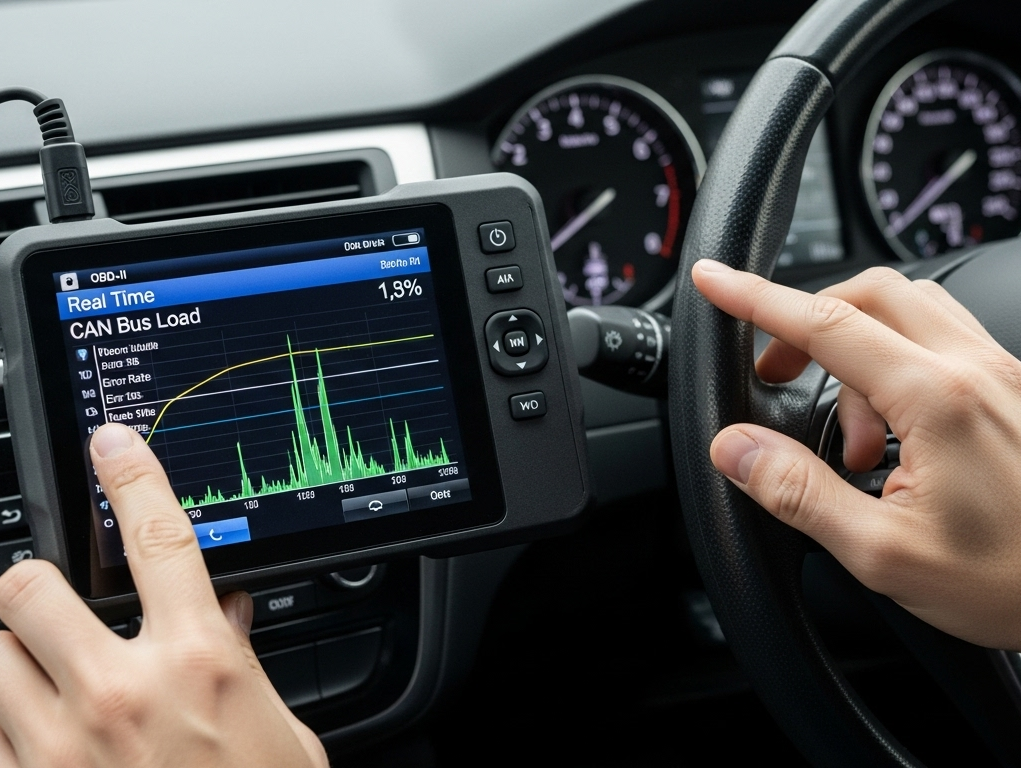
Resolving Tire Pressure Monitoring Systems pressure detection tools in electric vehicles EVs often includes more than plainly visual inspection. Modern OBD2 testers offer noticeable ability to get TPMS data and spot potential faults. Utilizing these systems, technicians can read fault codes, check sensor quality, and even implement sensor inspections, allowing for accurate diagnosis of sensor failures and minimizing vehicle unavailability. The is especially beneficial given the ballooning complexity of EV networks.
Decoding TPMS Transmissions: A Simple Explanation for European Region, Asia-Pacific, and United States and Canada
Effectively engaging with wheel pressure devices amongst the EU, Asian Subcontinent, and American Continent necessitates a thorough command of the different radio frequencies they employ. Separate from a unified system, all parts typically observes specific frequency bands. For instance Eurozone mostly counts on 315 MHz band and 433.92 Megahertz, while American Continent frequently depends on 315 Megahertz though a few modern cars should incorporate 433.92 MHz band. Asia displays a more intricate landscape, electric vehicle scanner with a range of bandwidths applied, guided by the nation and automotive company.
- Consider territorial statutes regarding wireless frequency.
- Consult your driver's guide for explicit signal.
- Employ a diagnostic tool built for decoding numerous bands.
