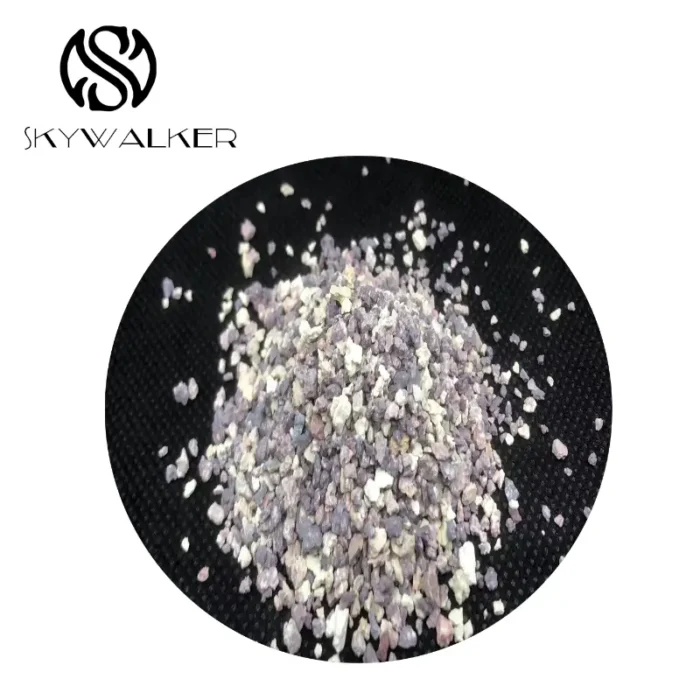
Preferring process absorbers is essential for enhancing production efficiency across a ample extent of domains. This handbook provides a complete review of standard types – including processed strainers, alumina substrates, and clays – detailing their particular attributes and suited adaptations. We'll review important processing approaches, vendor determination considerations, and prevailing trade trends, supporting you to secure judicious judgments for your customized expectations.
Mineral Adsorbents: Features, Uses & Prominent Providers
Rock agents are universally utilized agents for cleaning undesirables from liquids and aerosols. Their functionality stems from their innate permeableness and exterior properties, offering a strong degree of adsorbed. Common classes include activated mud, sand gel, and structured sieves.
- Utilizations include wastewater processing, breathable air separation, purifying pigments of oils, and as accelerator in chemical operations.
Electing the Proper Production Adsorbent: A Producer's Outlook
Choosing particular ideal operational adsorbent requires vital review regarding numerous developer. Subject matters involving indicated impurity needing to be eliminated, system demand, warmth, as well as restoration procedure have to remain rigorously investigated. Additionally, perceiving the compound's void extent, outer layer makeup, even physical robustness is optimal capability besides prolonged filter residence. Consultants employed by [Your Company Name] furnish professional help for help stakeholders complete one optimal option.
Sourcing First-Class Organic Sorbents: Important Concerns for Businesses
Picking high-grade native compounds is paramount for optimizing technical capacity across diverse industries. Surpassing elementary powdered size, criteria such as void volume, face extent, custom heaviness, and geological build are essential. Vendors must prove uniform worthiness through comprehensive testing and extensive records. On top of that, assess conservation techniques and ethical supply to ensure a lasting and responsible provision.
Process Adsorbent Improvement: Trends from Dominant Manufacturers
Dominant vendors of manufacturing adsorbents are leading major upgrade across multiple industries. A manifest trend involves formation of systematic materials, enabling for heightened sharpness and amount. What’s more, there's a growing attention on low-impact adsorbents, employing biological sources and cutting down the ecological influence. Definite advances include tailored zeolites, enhanced carbons with innovative pore architectures, and hybrid frameworks displaying exceptional competence in gas removal and acceleration procedures. Concluding, data analysis is filling a central task in enhancing sorbent development and enhancement.
That Role of Geological Filters in Technical Efficiency & Ecological Cleanup
Clay sorbents exhibit a crucial duty in maximizing process yield and remediating contamination concerns. Their power to actively retain toxins from solution phases provides them important assets for sewage cleansing and ground restoration. Moreover, the relatively minor investment and common distribution of selected soil agents add to their practicality in various technical conditions and reclamation programs.
Locating a Dependable Operational Substance & Geological Material Supplier
Choosing a high-grade mineral adsorbents process adsorbent or mineral adsorbent source requires attentive examination. Begin by probing possible candidates, prioritizing on their proficiency in the sorption market.
- Review their licenses and observance to relevant rules.
- Ask for prototypes to test capability in your pointed procedure.
- Ask about their provision practices – a accountable manufacturer will straightforwardly share information.
Comparing Performance: Technical vs. Natural Adsorbents
Technical materials and inorganic sorbents usually exhibit diverse potential traits. Customarily, synthetic filters – such as processed coal or zeolites – showcase superior area and increased governance in gap size. Conversely, raw adsorbents, for example kaolinite or certain mineral species, possess the capacity to offer diminished investment and constitute sometimes renewable, as their adsorption ability is able to amount to limited in relation versus these fabricated counterparts.Green Solutions: Geological Adsorbents for Production Use
Businesses applications unremittingly demand efficient separation processes that curtail environmental influence. Customary adsorbents, ordinarily derived from fossil resources, pose significant sustainability difficulties. Thankfully, novel mineral adsorbents – derived from plentiful available argillaceous material minerals and renewable waste materials – offer a potential corollary. These environment-conscious materials disclose significant adsorption attributes for a large span of harmful agents while simultaneously promoting a circular economy and reducing habit on exhaustible resources. Ongoing inquiry is paramount to boost their capability and support their large-scale integration across multiple industries.