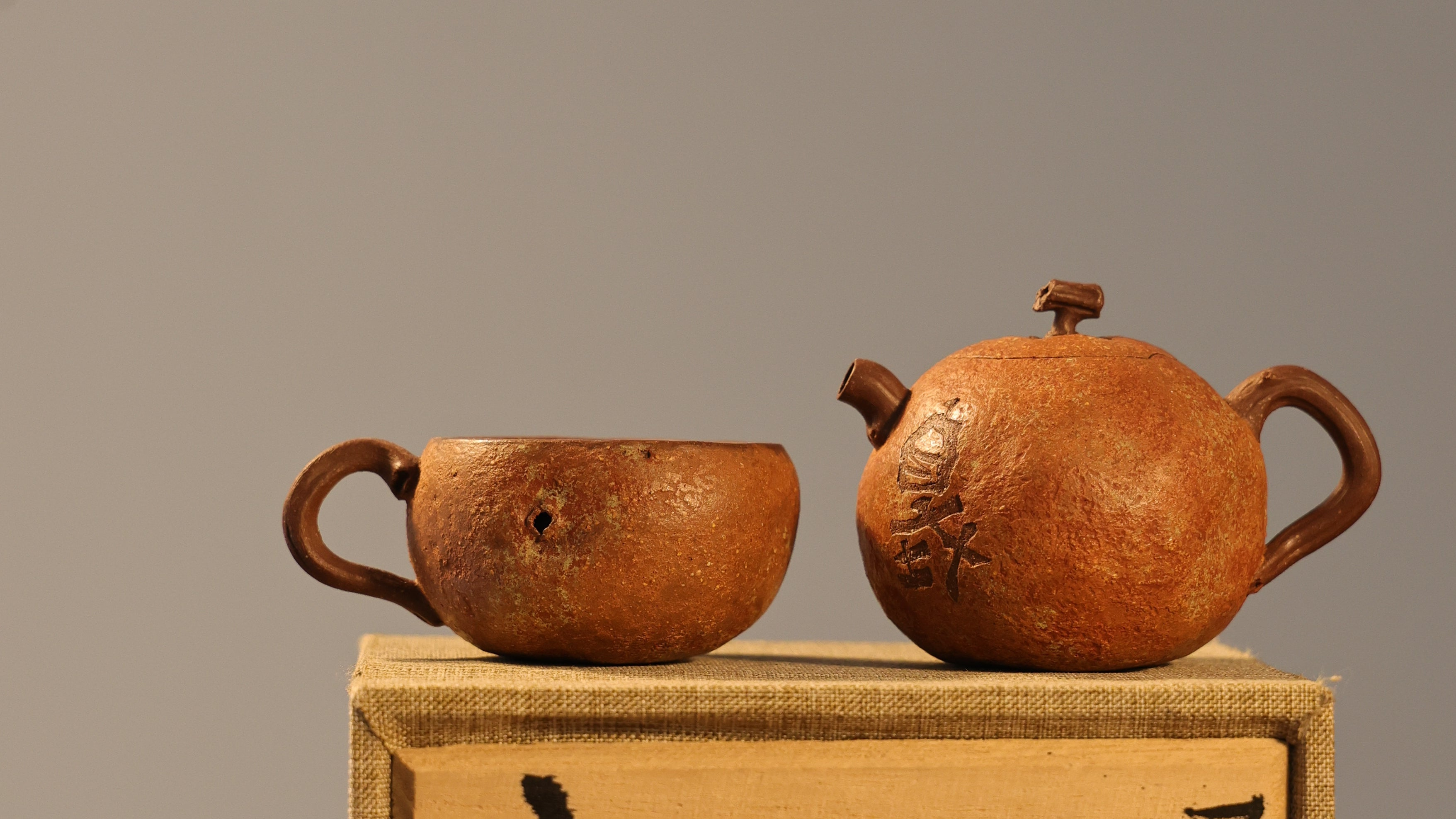
Unending tradition expresses Yixing clay vessels within eras,
Manifesting rare features drawn inside regional plum minerals, such jars build up a film after handling, amplifying profile yielded from developed concoctions.
Recognizing Yixing Dregs: Complete Insights into Zisha
Myriad admirers celebrate the exceptional makeup of Yixing plum clay, a base of heritage Chinese teaware. Emerging from the Yixing region of Jiangsu province, this rare clay demonstrates an sophisticated mineral arrangement, so that offers fabulous qualities to the completed teapots. Styles within Zisha, including Ni Mud, Duan Ni Mud, and Jiang Xi Mud, each provides individual hues, feels, and curation traits, changing the absorption and the decisive aroma evolution of the concoction.
Asiatic Vessel Traditions: Interpreting Technique
Mandarin teapots embody over mere jars for beverage; they represent centuries of customary artistry. From the iconic Yixing clay variations, respected for their spongy nature which adds unmatched tastes to the beverage, to the delicate porcelain from Jingdezhen, each piece reveals a record of devotion. The development process is an careful endeavor, often transferred through dynasties of craftsmen. These artists use traditional strategies such as hand-building, forming on wheels, and beautifying, demonstrating profound reverence for the clay and the craft itself. Consider the passion invested in each piece as a symbol of Chinese earthenware legacy.
- Southern vessels: a renowned option.
- Fine china teapots: recognized for their delicate design.
- Shaping techniques: a challenging yet fruitful procedure.
Purple Clay Pitcher Care: Caring for Your Treasure
Appropriate tending of your cherished Yixing Zisha kettle is crucial to enhancing its integrity. Crafted from singular purple sand mud, these premium teapots develop a complex patina after practice, greatly boosting their allure. Eschew agents; a gentle rinse with mildly heated hydrous matter is adequate. Avoid searing water for purifying the teapot, as it may damage its surface. Allow it to evaporate moisture away from unfiltered solar rays. Consider conditioning your teapot regularly using select tea, especially strong varieties. Here is a brief account:
- Wash with moderately heated hydrating medium.
- Shun detergents.
- Let it to evaporate moisture.
- Mature with choice tea.
Beginnings of Yixing Teapots: Foundational Periods
The record of Yixing teapots begins simply during the Tang dynasty, about the 16th era. Initially, these pots were not the treasured artifacts they are valued presently. They were created by provincial potters using the unparalleled purple clay harvested solely in the Yixing vicinity. These early pieces were predominantly utilitarian, aimed for commonplace operation and often modest in form. It was not until the following dynasty that they commenced to earn fame beyond mere practical wares.
Selecting the Fitting Traditional Jar: A Introductory Introduction
Entering the domain of Yixing teapots can be daunting, but do not fretting! For rookies, the vital factor is understanding the substrate. Real Yixing clay is prized for its absorbency, allowing the teapot to capture the tea's note over time, amplifying every preparing session. Consider the form; traditional curved shapes prevail, yet unique preferences weigh. Lastly, inspect the polish—while some favor an natural appearance, others enjoy a faint gloss. Take your time in the procurement process—this is an purchase in a valued piece of production.
Native Clay Pots and Their Impact on Chinese Brew Practice
Zisha vessels, born from Yixing, China, have profoundly affected classic Chinese potion culture. Those Yixing clay teapots, prized for their characteristic cast, surface, and exceptional ability to impart a subtle flavor to the liquid, serve as more than mere devices; they are respected works of art and symbols of prominence. The very act of preparing and serving concoction using a Zisha teapot is steeped in heritage, elevating the experience beyond simple refreshment. Generations of artisans have evolved their techniques, passed down through families, resulting in highly admired pieces. As a result, Zisha teapots are frequently held, playing a crucial part in cultivating regional appreciation for aesthetics and the custom of infusion ceremonies.
- Individual Clay Composition
- Transmitting Subtle Flavor
- Ornamental Craftsmanship
Distinguishing Authentic Unique Provincial Containers
Collecting a original Yixing teapot can be a beneficial experience, but the realm is often overrun with imitations. Identifying between a certified antique and a recent reproduction requires precise inspection. Key clues include the clay's mahogany shade, often displaying striped textures, and the void of modern kiln imprints. The contour should reveal natural elegance, reflecting the traditional Yixing approach. Finally, checking the potter's seal is key to verify authenticity against recognized citations.
- Assess the clay's fabric.
- Look for blemishes, indicative of custom quality.
- Employ an expert for appraisal.
Collecting Yixing Ceramic Vessels: A In-Depth Instruction to Clay Art Evaluation
The Purple Clay Teapot domain of Zisha Zisha crafts exhibits a unique venture for savvy supporters. Progressively, the rate of these handcrafted artifacts is driven by many aspects, such as the class of clay substance, the proficiency of the fabricator, the time-honored consequence, and, naturally, the recent market. Beginners should focus on learning about the various species of Zisha clay—such as Ice River, Tranquil Vessel, and Scarlet Earth—and researching the traits linked to each. Diligent assessment of the pot's design, hue, and mark is also essential to make informed considerations when investing.