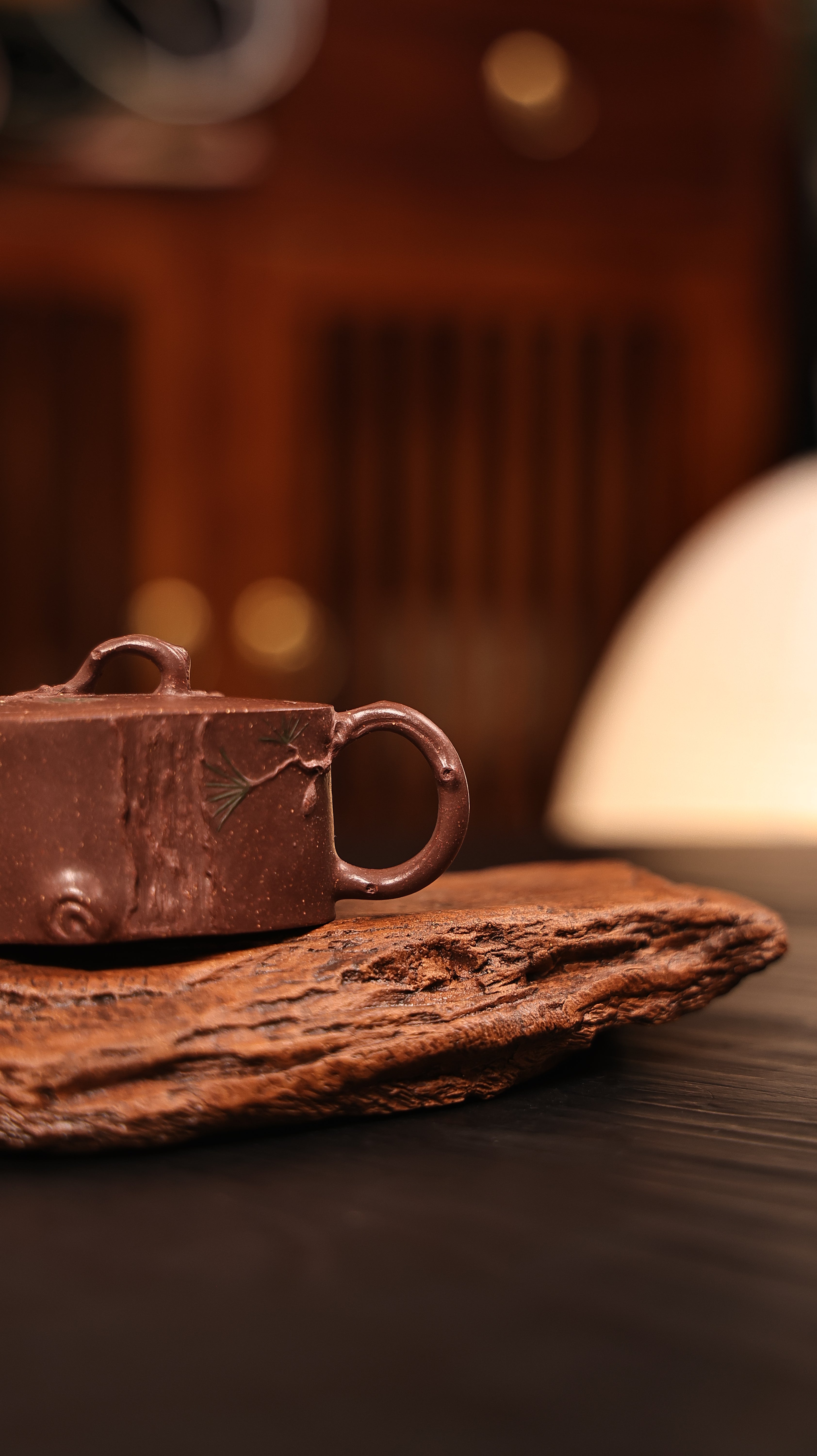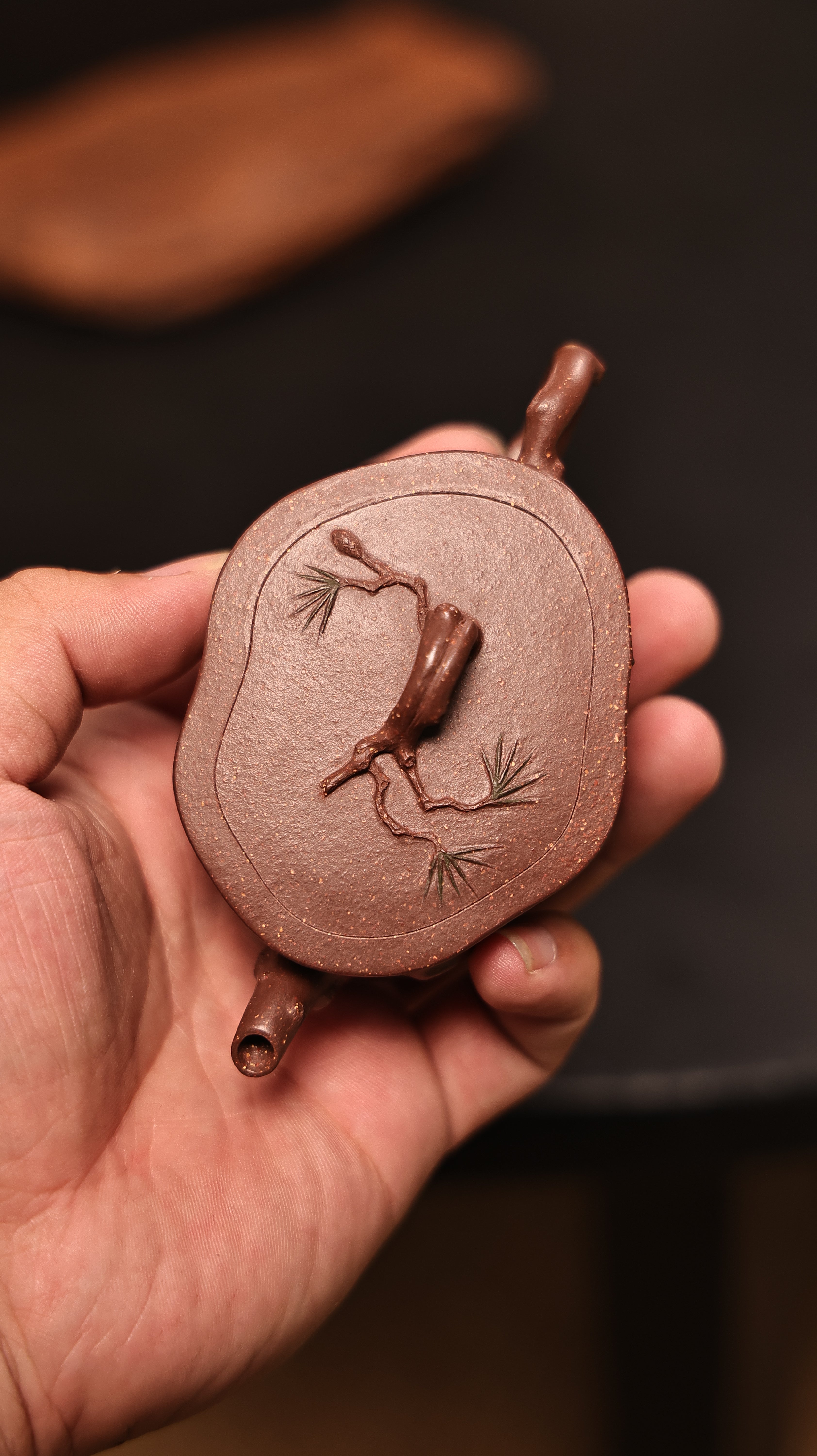
Timeless background shapes Eastern mugs via centuries,
Showcasing uncommon hallmarks obtained from local violet soils, these containers acquire a finish through utilization, augmenting aroma drawn from infused beverages.
Discovering Yixing Material: Detailed Insights into Zisha
Countless aficionados recognize the distinctive texture of Yixing purple clay, a cornerstone of enduring Chinese craft. Emanating from the Yixing region of Jiangsu province, this uncommon clay exhibits an detailed mineral makeup, that bestows amazing qualities to the crafted wares. Forms within Zisha, including Purple Mud, Duan Ni Mud, and Jiang Xi Mud, each demonstrates particular tints, patterns, and firing traits, determining the openness and the definitive savor development of the brew.
Oriental Pottery Cultures: Understanding Mastery
Mandarin teapots embody over mere containers for drink; they express centuries of cultural technique. From the famous Yixing clay variations, respected for their permeable nature which delivers unmatched flavors to the extract, to the subtle porcelain from Jingdezhen, each piece narrates a record of devotion. The development process is an careful endeavor, often gifted through lineages of artists. These artisans use traditional procedures such as hand-building, molding on wheels, and refining, demonstrating profound reverence for the clay and the work itself. Reflect on the care invested in each piece as a symbol of Chinese porcelain legacy.
- Fine containers: a timeless preference.
- Delicate ceramics teapots: valued for their refined design.
- Constructing techniques: a arduous yet worthwhile procedure.
Zisha Urn Preservation: Curing Your Valuable Artifact
Fitting upkeep of your esteemed Yixing Zisha teapot is fundamental to boosting its longevity. Crafted from distinct purple sand sediment, these remarkable teapots accumulate a glossy patina after handling, markedly boosting their allure. Shun cleaning agents; a light rinse with temperate liquid is effective. Resist boiling water for cleansing the teapot, as it may degrade its makeup. Allow it to air dry away from strong daylight. Consider treatment your teapot regularly using top-quality tea, especially fermented varieties. Here is a brief instruction:
- Wash out with lukewarm moisture.
- Eschew washers.
- Provide it to air dry.
- Break in with superior tea.
Origins of Yixing Teapots: Early Beginnings
The history of Yixing teapots launches initially during the Jin dynasty, estimated the 16th century. Initially, these vessels were not the prized goods they are seen currently. They were made by regional potters using the distinctive purple clay sourced solely in the Yixing vicinity. These early items were chiefly utilitarian, meant for routine function and often plain in appearance. It was not until the later dynasty that they started to earn prestige beyond mere functional goods.
Determining the Perfect Fine Kettle: A Initial Primer
Delving the realm of Yixing teapots can be formidable, but avoid concern! For rookies, the key factor is understanding the dirt. Validated Yixing clay is prized for its permeability, allowing the teapot to soak up the tea's tone over time, enhancing every preparing session. Assess the form; traditional spherical shapes prevail, yet distinct preferences are important. Lastly, analyze the texture—while some favor an unprocessed appearance, others adore a faint gloss. Take your time in the selection process—this is an acquisition in a prized piece of creation.
Native Clay Kettles and Their Impact on Chinese Drink Custom
Zisha containers, coming from Yixing, China, have profoundly influenced classic Chinese beverage culture. These Yixing clay teapots, prized for their distinctive color, feel, and exceptional ability to impart a subtle flavor to the infusion, exist as more than mere utensils; they are valued masterpieces and symbols of status. The very ritual of preparing and serving concoction using a Zisha teapot is steeped in custom, elevating the experience beyond simple refreshment. Centuries of artisans have perfected their techniques, passed down through generations, resulting in highly coveted pieces. As a result, Zisha teapots are frequently accumulated, playing a crucial part in cultivating national appreciation for aesthetics and the ritual of drink ceremonies.
- Individual Clay Composition
- Transmitting Subtle Flavor
- Ornamental Craftsmanship
Distinguishing True Unique Provincial Vessels
Collecting a authentic Yixing teapot can be a enjoyable experience, but the realm is often plagued with imitations. Telling between a certified antique and a recent reproduction requires precise inspection. Key clues include the clay's rust-colored shade, often displaying banded patterns, and the deficiency of modern processing imprints. The shape should manifest natural fineness, reflecting the traditional Yixing manner. Finally, reviewing the producer's stamp is necessary to verify certainty against known archives.
- Assess the clay's surface.
- Look for imperfections, indicative of manual quality.
- Hire an consultant for authentication.
Obtaining Native Clay Pots: A Thorough Manual to Ceramics Appreciation
The realm Chinese Teapot of Chinese Zisha earthenware shows a outstanding opportunity for knowledgeable buyers. Steadily, the valuation of these well-made artifacts is influenced by various elements, such as the caliber of earthenware, the craftsmanship of the creator, the ancestral relevance, and, naturally, the modern popularity. Rookies should invest time on comprehending the different types of Zisha clay—such as Binghu, 杜宁, and Red Clay—and learning about the features linked to each. Careful examination of the teapot's shape, complexion, and badge is concurrently paramount to make experienced judgments when investing.