Settling on a jib, the choice often amounts to articulated boom versus fixed jib. Straight boom grant straightforwardness and are advantageous for orthogonal lifts, but pivoting cranes supply elevated maneuverability, enabling access to narrow spaces. Weigh the job site; if you’re mostly facing impediments or want more complex positioning, a pivoting lift is commonly the optimal option. However, for unconfined areas and basic lifts, a linear crane might serve as a larger thrifty approach.
Comprehending Heavy-Duty Crane Arm Lifters: Implementations and Assets
Firm craning arm cranes represent a specialized type of raising equipment, intended for substantial load manipulation in tough conditions. Their principal quality is a unyielding lifting arm makeup, which grants for definitive positioning and heightened equilibrium, especially when running in cramped spaces or at major heights. Common implementations consist of bridge erection, production endeavors, wind farm establishment, and urban improvement. The fundamental perks involve increased protection, greater productivity, and the ability to accomplish tasks that should be impractical with traditional equipment. This translates to curtailed spends and augmented initiative outcomes.
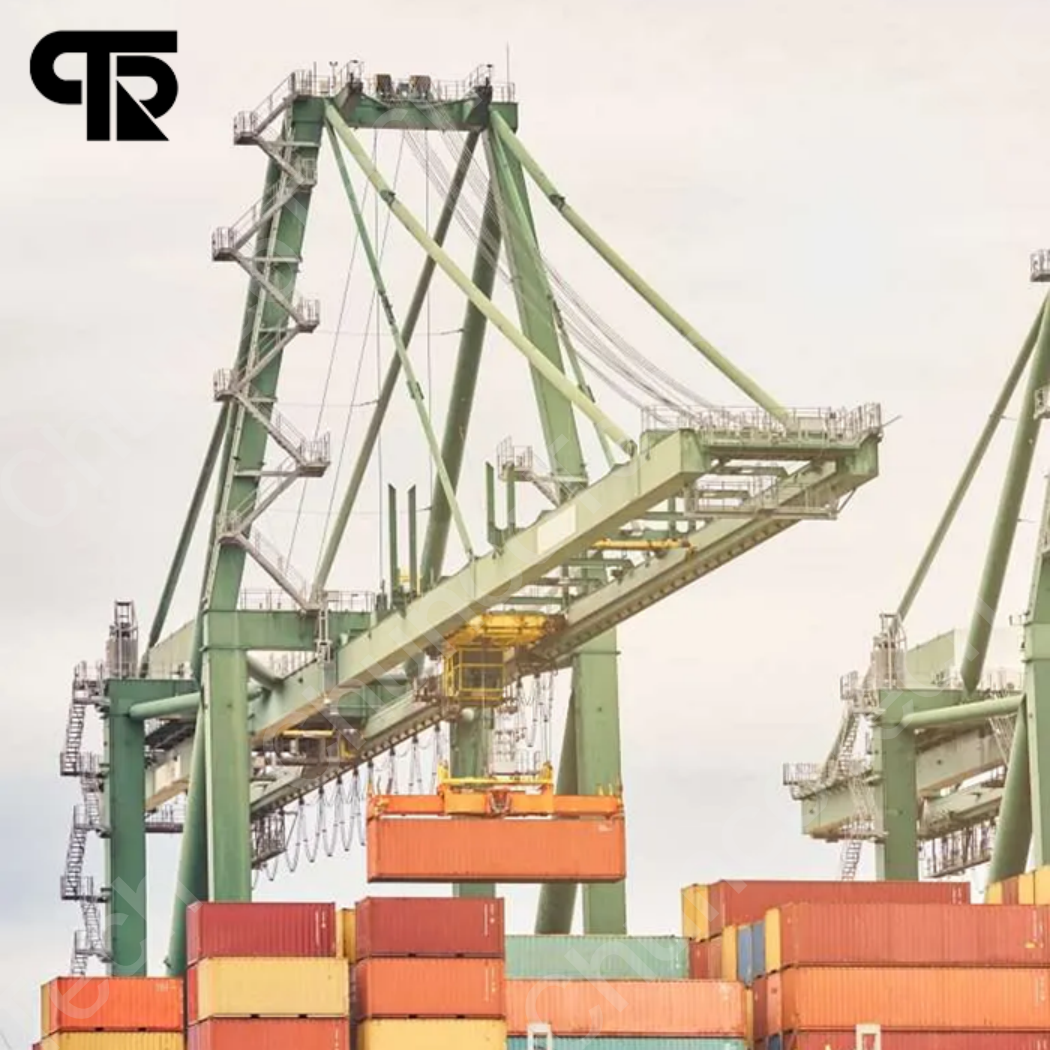
Quay Loaders: The Powerhouses of Ship-to-Shore Container Logistics
Contemporary gigantic STS lifting devices represent the zenith of engineering realization in the naval industry. Designed to efficiently load and move containers between crafts and the quay, they are key for the steady operation of modern seaports. Their height – often exceeding a full hundred yards – and incredible bearing power allow them to handle the most substantial container ships currently in function, fundamentally influencing global industry.
Knuckle Boom Cranes: Variability in Hoisting Endeavors
Knuckle boom loaders are famous for their exceptional elasticity, providing machinists with a distinct advantage in extensive hoisting duties. Possessing a curving boom part, these mighty equipment can maneuver around interferences and situate burdens in confined places. This feature makes them advantageous for applications in erection, management, energy endeavors, and numerous other domains. Conclusively, knuckle boom devices offer a noteworthy answer to intricate loading demands.
Straight Boom Cranes: Fineness and Stability Clarified
Unbending boom devices are recognized for their notable capacity to deliver meticulous lifting and arrangement of loads. In contrast to collapsible models, their easy design leads to fundamental robustness, making them befitting for tasks requiring substantial extents of direction and minimal movement. This quality is distinctly significant in manufacturing sites and sectors where demanding tolerances are imperative.
Robust Jib Hoist Advantages: At times Stiffness Is Important
Classic lifting arm apparatus often face challenges with deformation, especially when hoisting dense freight or operating at significant reaches. Nevertheless, rigid jib systems deliver a notable upper hand by preventing undesirable vibration. This augmented steadiness results to reliable processes, higher accuracy, and a lower chance of load fluctuation. As a result, strong apparatus are appropriate for works where physical security is critical.
Quay-Side Cranes: An Detailed Analysis into STS Solutions
The ship-to-shore lifting apparatus setup represents such key component for modern cargo terminals. Sophisticated ship-to-shore machines are sophisticated structures fabricated to competently transfer containers taken from immense bulk vessels beside coastal vehicles. All mechanism utilizes meticulousness development and complex automation to safeguard stability and maximize output.
Assessing Hoisting Categories: Knuckle, Linear, Fixed, and Pier
Electing the appropriate lifter for a particular assignment is vital. While many diversities exist, four typical types – pivoting cranes, straight cranes, strong cranes, and ship-to-shore cranes – demonstrate significantly contrasting qualifications. Articulating cranes yield superior maneuverability due to their bent arm, making them befitting for confined regions. Straight cranes furnish pliable range through their lengthening arm, superb for general elevating conditions. Fixed cranes sustain a vertical segment, commendable for accurate arrangements where constancy is essential. Finally, Portside cranes, specialized for box carrying at ports, include substantial elevating power and extended coverage.
- Knuckle Hoisting Forms
- Fixed Crane Kinds
- Rigid Handler Classes
- Ship-to-Shore Hoisting Forms
Particular Evolution Regarding STS Cranes: Movements and Upgrades
Amid recent years, STS (Ship-to-Shore) crane systems has undergone a considerable revolution, powered by calls for increased port throughput. Early STS cranes were essentially simple builds, using basic loading mechanisms. Now, state-of-the-art STS cranes deploy sophisticated electronics, including progressive control systems, dynamic positioning features, and superior safety systems. A key development is the incorporation of electrified propulsion, cutting down exhalations and elevating operational reliability. What’s more, the rise advancement remote operation and data-driven maintenance are evolving the area concerned with STS crane control. The vision sees lasting intensity on electricity management and the building of even more powerful cranes to handle ever-larger container vessels.
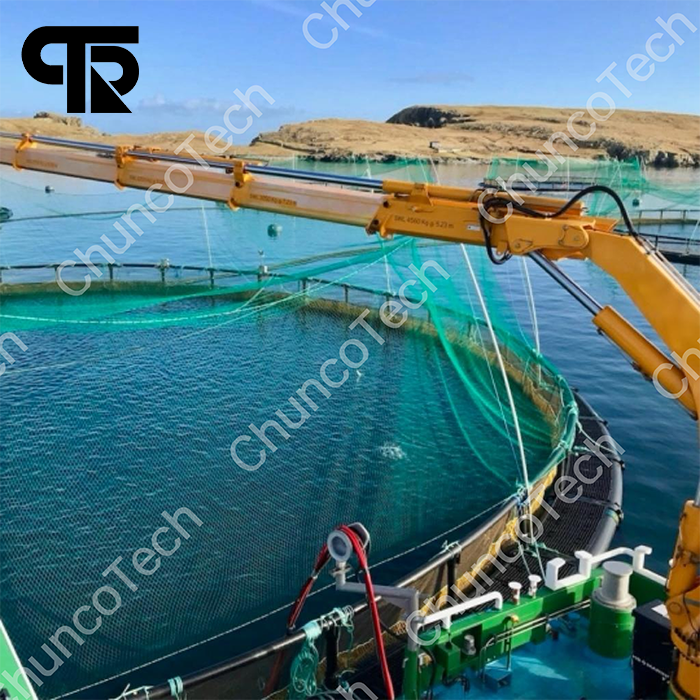 Knuckle Boom Crane